


Let’s take a walk down memory lane and appreciate the legacy of Chua Chu Kang (CCK) Town!
Did you know that in the 19th century, CCK was a ‘frontier settlement’, a rural kampong.?
In fact, the name “Choa Chu Kang” precisely comes from the Teochew word ‘kang chu’ (港主) which means ‘master of the riverbank’. It referred to the Choa clan which had settled down near Sungei Berih
1.Plantation Past
In those early days, land in CCK was used for gambier and pepper plantations. Eventually, gambir cultivation moved to mainland Malaya, between the 1870s and 1890s. Other crops then took its place, primarily pineapple and then rubber.
Today, we pay homage to that history, through fun and colourful playground designs!
For example, the pineapple playground at Block 132A Tengah Garden Avenue is just one of several thematic playgrounds that are inspired by nature, fruits, and vegetables.
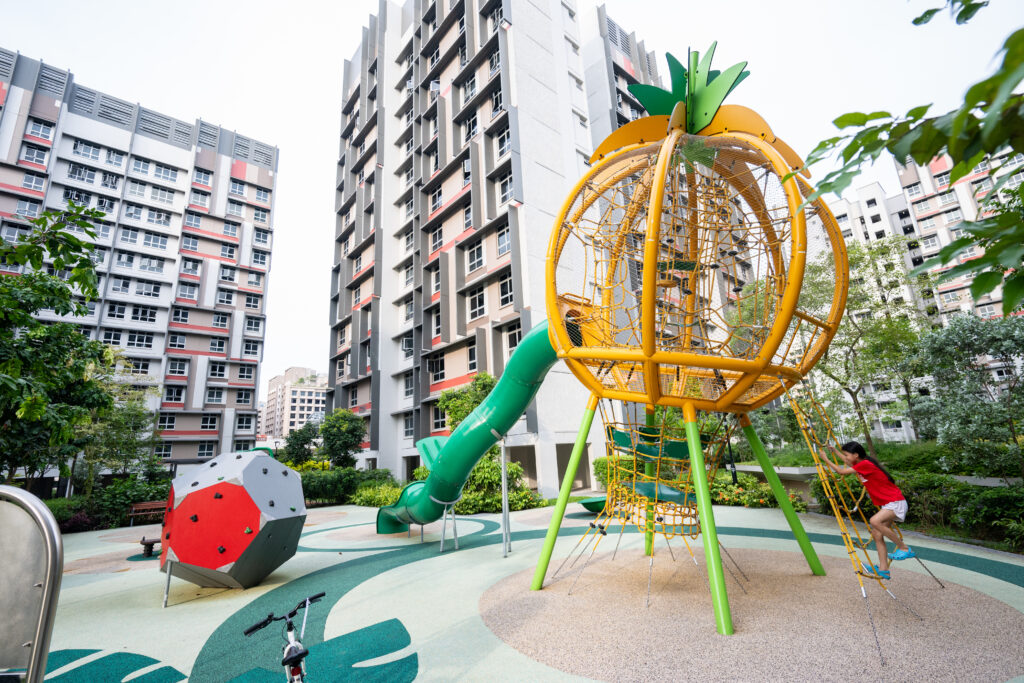 Can you climb up this larger-than-life pineapple?
2.Wild Tigers
Can you envision how wild tigers used to roam Singapore? In October 1930, the last wild tiger in Singapore was captured and shot in Choa Chu Kang Village.
Fast forward to present-day, we have a tiger-themed playground between Block 217 and 218 Choa Chu Kang Central. These wild creatures are no longer stalking our forests, but we can still cross paths (and crawl under) them here.
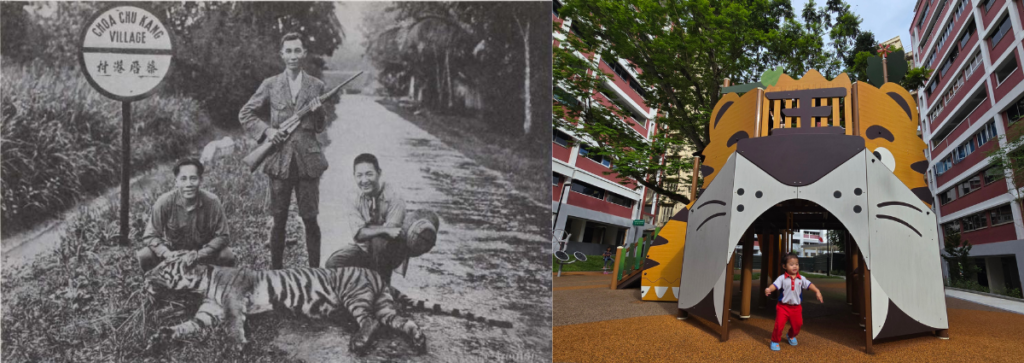 Credit: Courtesy of National Archives of Singapore (left photo). The tiger-themed playground today in CCK Estate is a throwback to the past where tigers roamed Singapore
3.Military History
In 1941, the Ford Motor Company built its factory on Upper Bukit Timah road. That was Ford’s first motorcar assembly plant in Southeast Asia! However, things rapidly changed. Just months later, the British Army repurposed the newly furnished Ford Factory for wartime operations. And shortly after that, on 13 February 1942, the Ford Factory was seized by Japanese forces and turned into the temporary headquarters of Lieutenant-General Tomoyuki Yamashita, the Japanese Commander of the 25th Army.
Two days later (15 Feb 1942), the British surrendered unconditionally to the Japanese. The surrender papers were signed in the factory’s boardroom.
Decades later, the Former Ford Factory was gazetted as a national monument on 15 February 2006, exactly 64 years after the surrender of Singapore. Visitors today can experience its new lease of life as a World War Two heritage gallery.
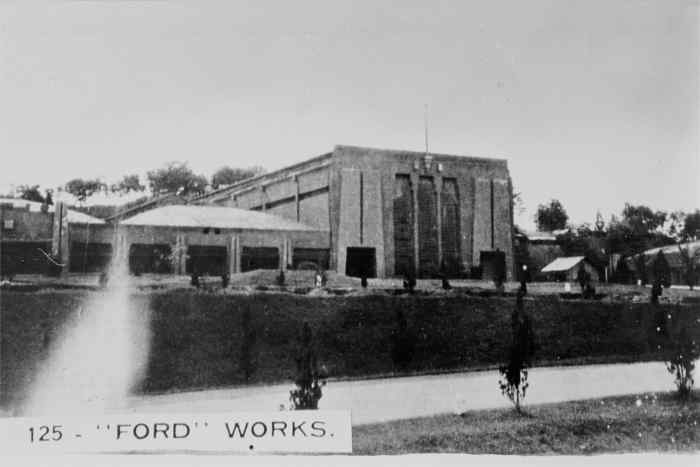 Credit: Courtesy of National Archives of Singapore
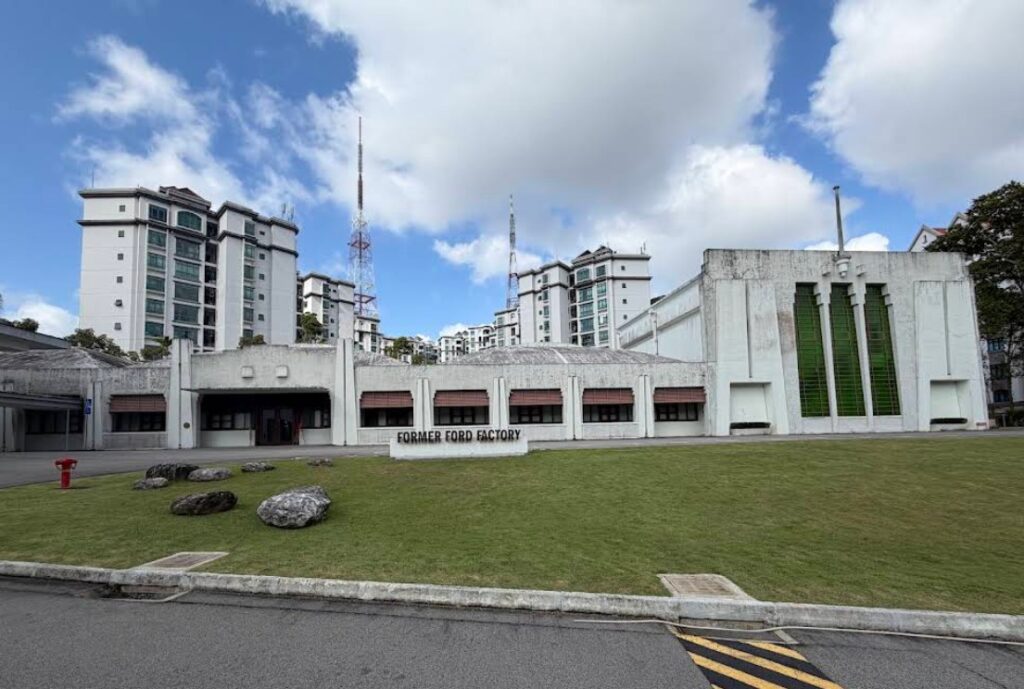 Ford Factory – in the 1940s versus present-day
4.War Memorials
Have you seen this bronze book at the steps of Bukit Batok Nature Park? It was installed in 1981 to commemorate the end of World War II.
During the War, Australian prisoners-of-war (POWs) had built two war memorials here, to commemorate the war dead of the Japanese and Allied troops who fought during the Battle of Bukit Timah. After the war, those two war memorials were destroyed. Nothing remained of the site, except the road and the flight of stairs.
So how did the bronze book come about?
In 1981, a former Australian POW, Stephen Hannam, a former Captain in the 2/26 Battalion, 8 Division AIF wrote a letter to the Singapore City Council about the experiences of Australian POWs who had to build the road and the war memorials. As a result, to commemorate the history of the site, the National Heritage Board erected a memorial plaque in that same year.
In 1995, the site was gazetted by the National Heritage Board as one of the 11 World War Two sites in Singapore.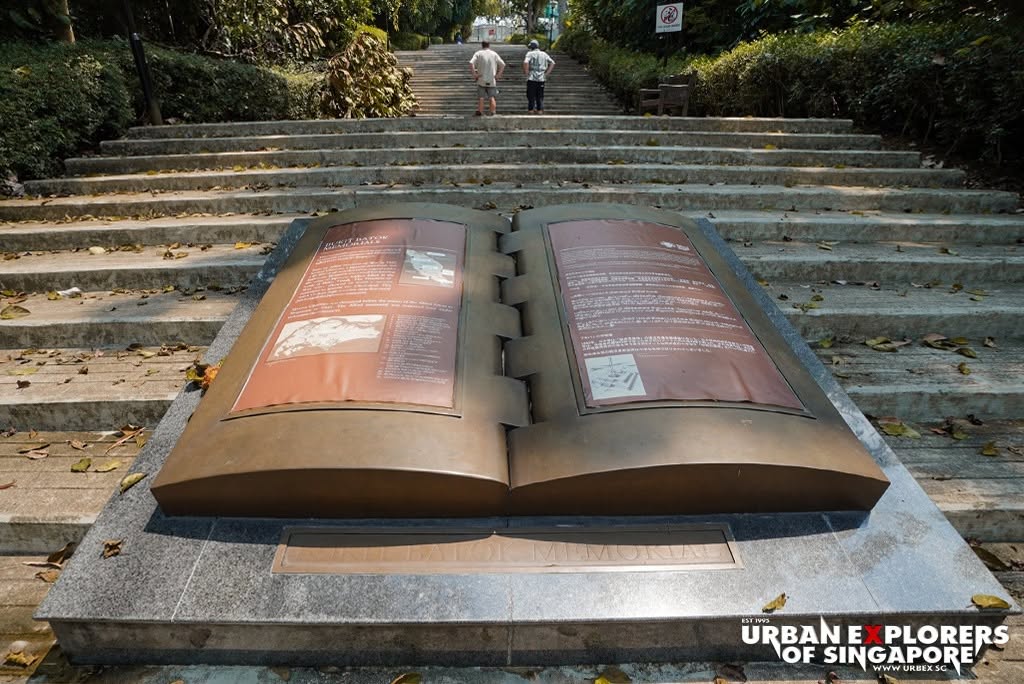 Source: Urban Explorers of Singapore
5.Schools
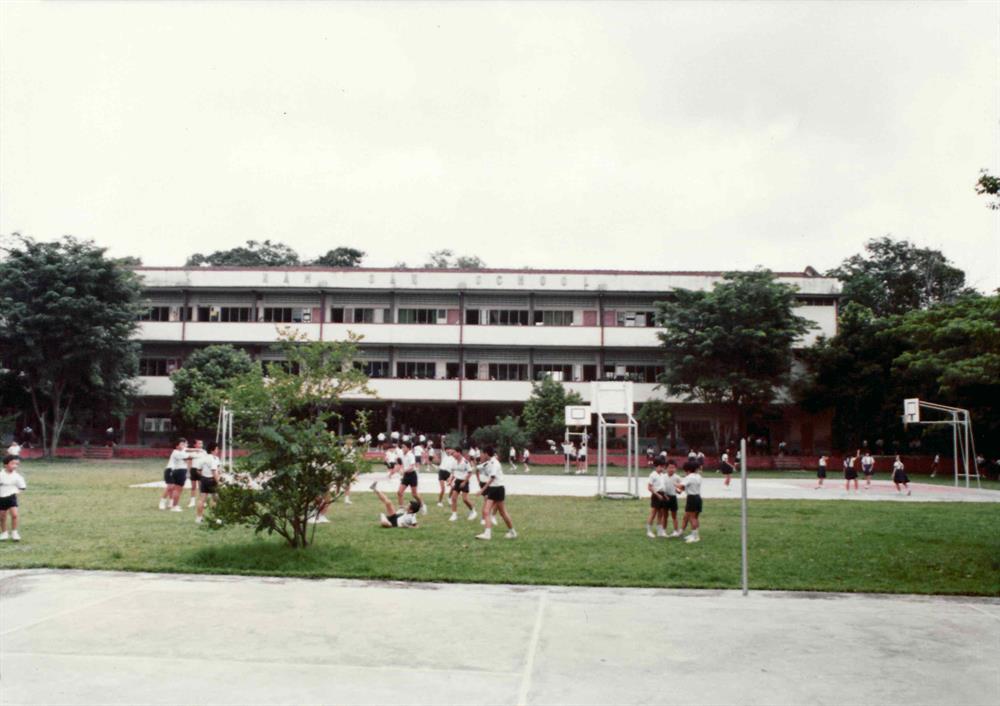 Credit: Housing and Development Board Collection, courtesy of National Archives of Singapore
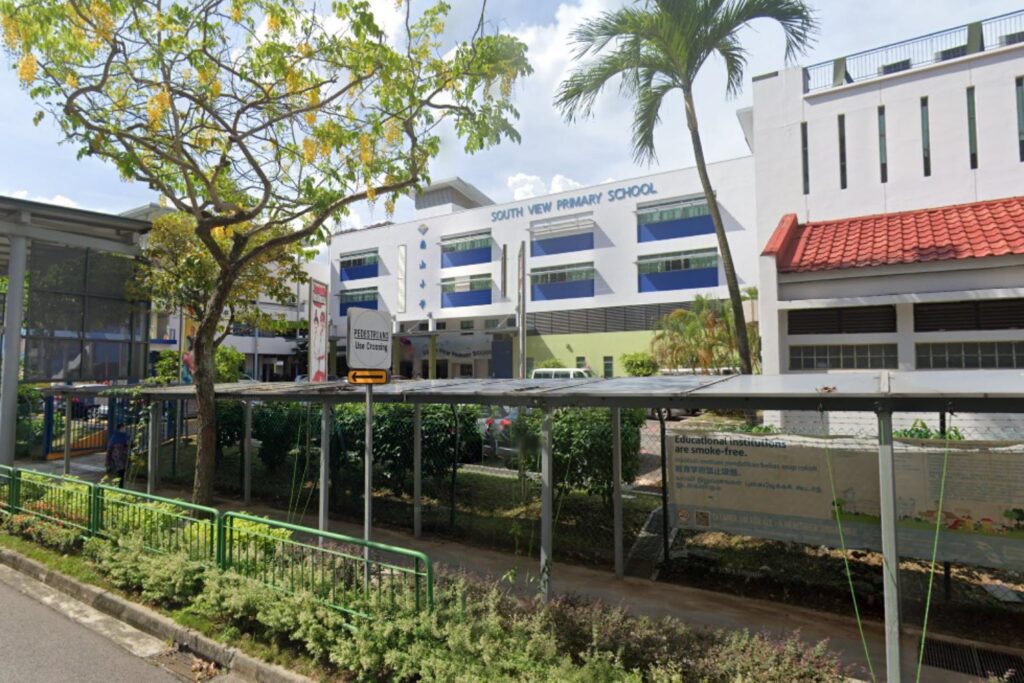 Decades of students, then and now, at Chua Chu Kang
South View Primary School, at Choa Chu Kang Central today, used to be two separate schools! Nam San School (established in 1946) and Ama Keng School (established in 1951), which merged in 1990 to become South View Primary School.
Here’s a fun fact about Nam San School – it was the town’s earliest education institution, and it also had a unique environment for its first batch of students! In February 1946 when the school opened, its students were housed in three separate locations – at a temple, wayang stage and warehouse. It was only a year later that Nam San School relocated to a school building with five classrooms at Choa Chu Kang Road.
We hope you’ve enjoyed this foray into the past and how it continues to resonate with our present day in CCK Town!